
BOAS Surgery
Brachycephalic Obstructive Airway Syndrome, or BOAS, is a condition that affects flat-faced breeds like French Bulldogs, Pugs, and Boston Terriers. These breeds have adorable, compact snouts, but that short facial structure can cause breathing difficulties. BOAS surgery is designed to correct these airway obstructions, helping pets breathe more comfortably and live more active lives.
Due to their unique facial structure of brachycephalic (short-headed) breeds, these dogs have anatomical features that can make breathing more difficult:
Stenotic Nares
Narrow nostrils that limit airflow.Elongated Soft Palate
Excess tissue at the back of the throat that obstructs the airway.Hypoplastic Trachea
A smaller-than-normal windpipe.Everted Laryngeal Saccules
Tissue inside the airway that can become inflamed and block airflow.
This condition tends to worsen with age, so early intervention is key to ensuring a long and healthy life with your brachycephalic dog. With the use of our state-of-the-art surgical laser, we can correct elongated soft palates and stenotic nares quickly with little to no bleeding and a rapid recovery.
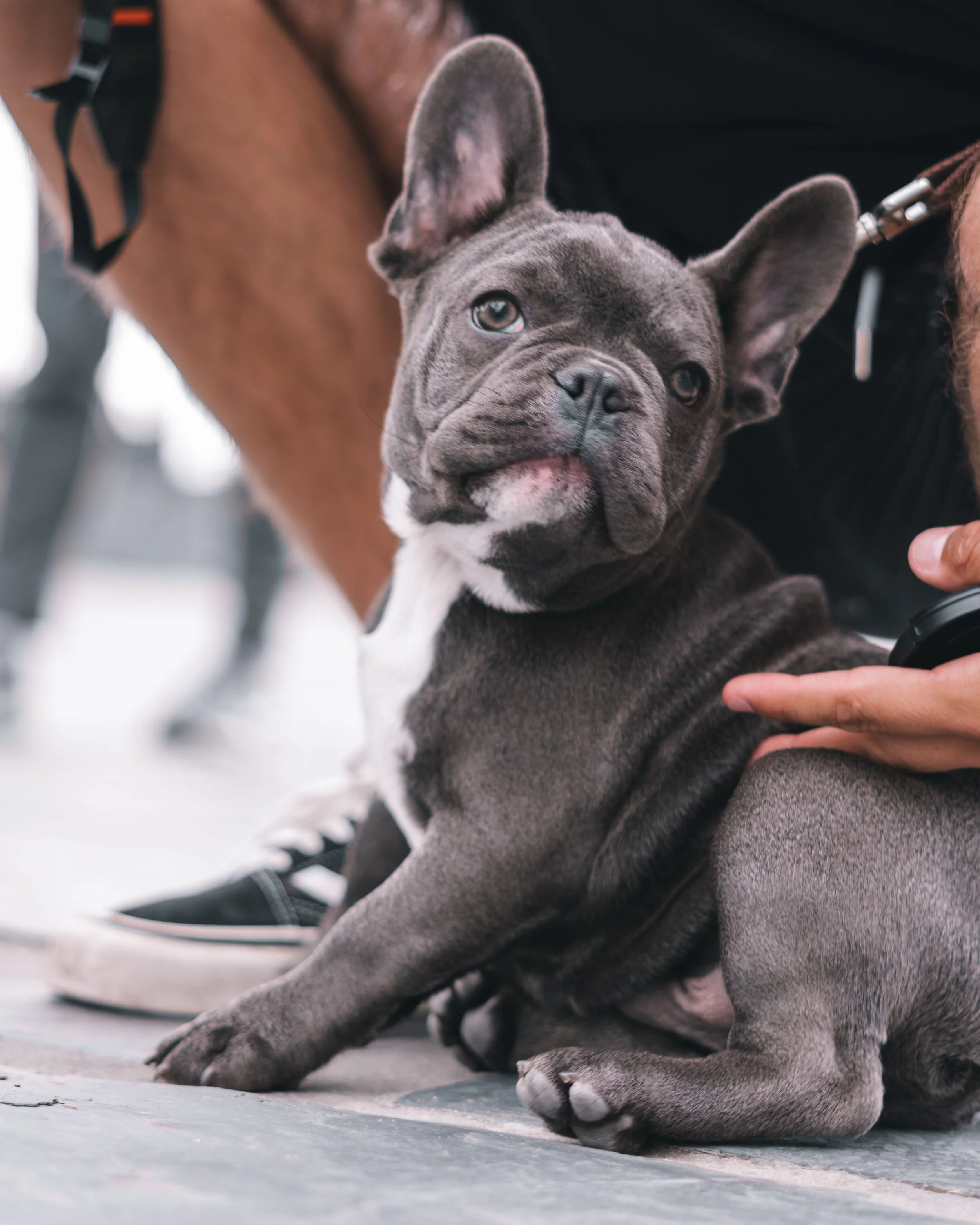
Help Your Frenchie Breathe Easier
If your flat-faced dog shows signs of labored breathing or frequent snoring, it may be time to discuss BOAS surgery with a trusted veterinarian near you. West End Veterinary Clinic in Henrico, VA, offers skilled pet surgery and post-operative care to help your pet enjoy a more comfortable, active life.
Frequently Asked Questions
-
Not every flat-faced dog needs surgery, but certain signs can indicate a problem. Pets that snore loudly, struggle to breathe during exercise, or overheat easily may be showing symptoms of restricted airways. In severe cases, affected dogs can collapse from lack of oxygen.
If your pet shows these warning signs, scheduling an exam with a vet near you can help determine whether BOAS surgery is the right solution.
-
Restricted airways put ongoing strain on your dog’s respiratory and cardiovascular systems. Without treatment, this condition can worsen over time, leading to fatigue, stress, and a reduced quality of life.
By performing pet surgery to open the nasal passages and remove excess tissue, veterinarians can significantly improve airflow and minimize respiratory effort. Many pets experience immediate improvement and greater stamina after recovery.
-
During BOAS surgery, your veterinarian will gently enlarge the nostrils, trim the soft palate if needed, and remove any obstructive tissue in the throat. This procedure is performed under general anesthesia, and pets typically return home the same day after a period of careful monitoring.
Most pets recover within two weeks, though your animal hospital will provide detailed at-home care instructions to ensure a smooth healing process.